Frankie Knuckles didn’t invent house music in a lab. He built it on a dancefloor, one sweaty, joyful night at a time. Born Francis Nicholls in the Bronx in 1955, he grew up on soul, disco, and the early New York club scene. By the late ’70s, he’d learned from DJs like Larry Levan and understood something crucial: a DJ isn’t just playing records. A DJ is reading a room, protecting a vibe, and taking people somewhere they can’t get to on their own. When he moved to Chicago in 1977 to take over the Warehouse, a members-only club for mostly Black gay men, he didn’t just bring New York records. He brought a whole approach to nightlife as sanctuary. That’s where the name “house” eventually stuck—not because of some fancy branding meeting, but because the Warehouse was home. The word itself is messy history—some say it came from the Warehouse, others from the records played there, but Frankie always treated the name as less important than the feeling it described.
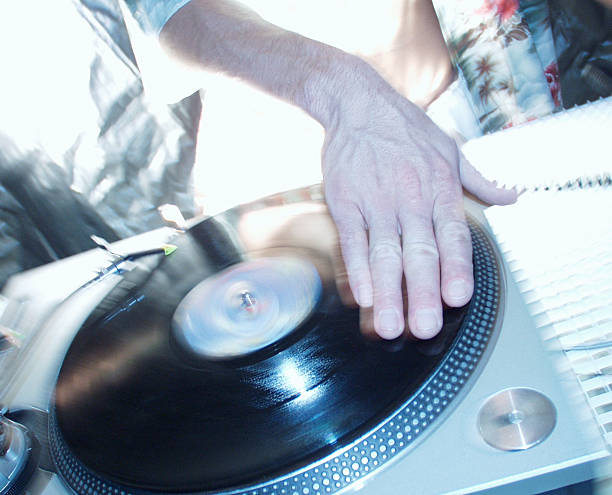
The Warehouse wasn’t a typical club. It was church for people who’d been told they didn’t belong anywhere else. Frankie’s sets stretched for hours, blending Philly soul, disco, Euro imports, gospel, and underground cuts with a patience that feels rare now. He wasn’t just mixing records; he was remixing the night in real time, tailoring every build and breakdown to the faces in front of him. He’d let a track breathe, then slam into the next one like a plot twist. He used reel-to-reel tape edits to stretch breaks, loop vocals, and create tension. He mixed live drums and drum machines into his sets, turning disco’s lushness into something leaner, more future-facing, and impossible not to jack to. The four-on-the-floor kick wasn’t new, but Frankie’s context made it new. On his floor, that beat was a heartbeat. It was politics. It was pleasure. It was a middle finger to anyone who thought queer Black and Latino nightlife should be invisible.
When the Warehouse closed in 1982, he kept building at the Power Plant, and his sound followed him. His productions became the blueprint. “Your Love,” made with Jamie Principle, is a perfect example: that haunting vocal, the simple bassline, the emotional release. “Baby Wants to Ride” is darker, kinkier, more intense. “The Whistle Song” later showed his softer, melodic side. His edits and productions gave Chicago house its emotional range—tender one minute, feral the next. Frankie wasn’t trying to make tracks for TikTok snippets. He was making music for bodies in motion, for the last hour of the night when everyone’s cried, laughed, and found their people on the floor. His remixes—especially through Def Mix with David Morales—turned pop stars into club royalty. He won a Grammy for Remixer of the Year in 1998, but awards were never the point. The point was the feeling.
Frankie’s influence is everywhere. If you’ve lost your mind to a four-on-the-floor beat at a festival, you’re in his lineage. If you’ve heard a DJ loop a vocal until it becomes a prayer, that’s his echo. If you’ve found family on a dancefloor when the outside world felt like trash, that’s the Warehouse spirit. House music has traveled from Chicago to London to Ibiza to Berlin to Lagos to Seoul, but its root system is Black, queer, and deeply American. Frankie Knuckles is called the Godfather of House because he didn’t just soundtrack a genre. He midwifed a culture. He showed DJs that technique matters, but intention matters more. You can have the best equipment, the cleanest transitions, the rarest records, and still miss the point. The point is care. The point is community. The point is making a room feel like home. And that lineage isn’t just nostalgia; it’s a living challenge to every new DJ: do you have the guts to be that vulnerable behind the decks?
He died in 2014, but his sets still live in every DJ who understands that a night out can be a spiritual practice. The Warehouse is gone. The records have been remastered, repackaged, and rediscovered. But the feeling Frankie bottled—that sweaty, soulful, free-as-hell release—is immortal. So when you step into a club and the bass hits just right, take a second. You’re standing on the shoulders of a House Father who turned a warehouse into a sanctuary and a beat into a lifeline.