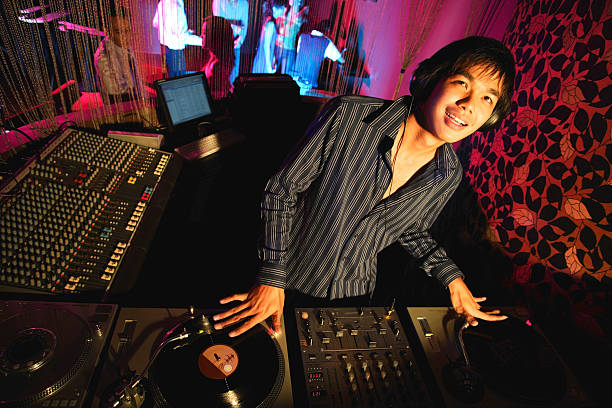
So you’ve been watching boiler room sets at 2 AM, your thumbs hovering over a TikTok of some kid flipping a techno track into a 90s R&B throwback, and now you’re convinced: you want to DJ. You want to be the one controlling the room, the one who makes heads bob when the bass drops, the one who gets that text at 11 PM asking “u spinning tonight?” But before you drop rent money on a pair of CDJs, let’s talk about the real cost to start spinning. Because the internet loves to sell you a fantasy—grab a controller, plug into Spotify, and boom, you’re headlining Tomorrowland. Nah. The truth is more like: you’re going to spend a few hundred bucks upfront, then a few hundred more in hidden costs, and then you’re going to realize that your “hobby” is now a beautiful, expensive, soul-crushing addiction. Let’s vibe check that.
First up, the gear. The absolute floor to start mixing is a cheap controller like a used Pioneer DDJ-200 or Hercules Inpulse 200. You can find these for around $100 to $150 on Facebook Marketplace or eBay. That’s fine if you just want to learn beatmatching in your bedroom with laptop speakers. But here’s the real cost: you quickly outgrow a two-channel, no-soundcard toy. Within three months you’ll be eyeing a DDJ-400 or a 500 because you want actual cue points and a decent mixer section. That’s another $250 to $400 used. Then you need headphones. Not the ones that came with your phone. Actual DJ headphones with good isolation—think Audio-Technica ATH-M50x or Pioneer HDJ-X5—set you back around $130 to $200. And a decent speaker? A single active monitor like a KRK Rokit 5 is about $200. You can’t mix properly on laptop speakers. You’ll confuse muddy kicks with clipping. So roughly, a solid starter setup with a mid-tier controller, headphones, and one speaker runs about $700 to $900. That’s real cost one.
Then there’s the software. Rekordbox is the industry standard for Pioneer gear, and while you can use it free in performance mode with certain controllers, you pay $10 a month to unlock advanced features like DVS, recording, and cloud sync. Serato Pro? Same. If you go subscription, that’s another $120 a year. Or you can buy a one-time key for around $130. Either way, you’re bleeding. And don’t forget the music. Sure, you can pirate tracks from YouTube rippers, but that sound quality will get you laughed out of a real gig. DJ pools like BPM Supreme or ZipDJ cost about $30 a month for unlimited downloads. If you build a library of 500 decent tracks over six months, that’s around $180. So before you even play your first party, you’re looking at a thousand dollars minimum. That’s not gatekeeping. That’s just the math.
But the cost isn’t just money. It’s time. Learning to beatmatch by ear alone? That’s hours of frustration where your tracks sound like a malfunctioning washing machine. Learning phrasing? That’s more hours where you accidentally drop the bass when the crowd is vibing. And then you realize the real cost is your ego. You’ll play your first open deck night at a dive bar, and three people will clap because they’re your friends. The rest will be on their phones ignoring your carefully curated set. That’s the vibe check. It costs resilience.
The real cost to start spinning also includes what you wear. Sorry, but the Core Vibe Check demands respect for the culture. You can’t show up in cargo shorts and a wrinkled polo. The DJ uniform has evolved from Frankie Knuckles’ sweat-soaked tank tops to Larry Levan’s glitter and Suad, Wendy Hunt’s leather jackets that screamed authority. Today it’s elevated streetwear—pleated trousers, a clean white tee, a subtle chain, maybe a bucket hat if you’re leaning into house vibes. A decent fit costs about $150. And yes, you need to look the part because the crowd judges you before you touch a fader.
Then there’s the mental and physical health cost. In the DJ life, you’re a night owl. Your sleep schedule becomes a suggestion. Your ears ring after loud sets. You skip meals because you’re packing gear or stuck in a booth with no ventilation. The real cost is your body. You’ll learn to hydrate, protect your hearing with good headphones, and pace your caffeine intake. No one tells you that spinning for four hours straight is like a cardio workout—your arms ache, your back tenses, your neck locks. You’ll invest in stretching, maybe a massage gun, definitely ibuprofen.
So the real cost to start spinning isn’t a number. It’s a lifestyle tax. But here’s the secret: that first time you blend two records perfectly and the crowd whoops, or you drop a track that makes a stranger come up and say “yo, what was that?”—that feeling is priceless. The cost is real. But so is the reward. Welcome to DJ Life 101. The Core Vibe Check says: you ready to pay up?