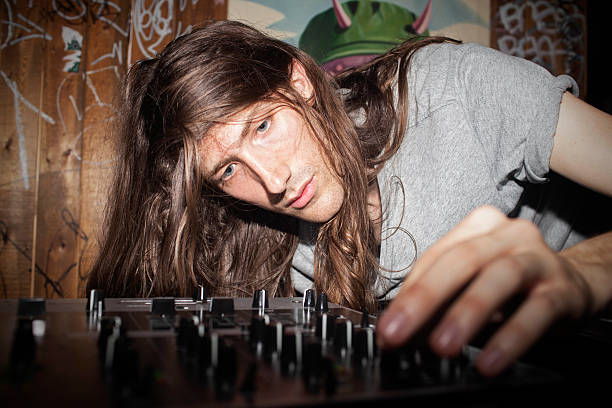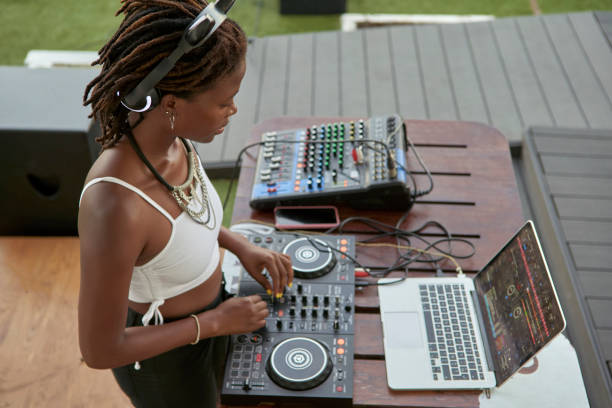
Let’s be real for a second: nothing kills a DJ set faster than that awkward half-second of silence while you’re fumbling for the next track. You know the feeling. The headphones are hot, the floor is packed, and your brain suddenly forgets which knob does what. We’ve all been there. But here’s the thing—those moments of panic aren’t failures. They’re signals. Your body is telling you that your practice habits need to shift from casual noodling to something way more intentional. If you want to transition like a pro under the harsh lights of a club booth, you have to drill fast transitions until they become as automatic as breathing.
First, let’s talk about why pressure makes us freeze. When you’re in your bedroom, it’s easy to blend tracks at your own pace. You can re-cue, start over, or take a sip of coffee. But on a real rig, the clock is ticking. The crowd is waiting. That adrenaline spike actually narrows your focus, making fine motor control harder. The only way to beat that is to overload your training sessions with fake pressure. Set a timer for ten minutes and force yourself to execute a transition every thirty seconds. No do-overs. If it crashes, you keep moving. This trains your brain to stay calm even when things go sideways, because you’ve already simulated worst-case scenarios in your practice space.
The secret weapon here is what we call “transition drilling.” Instead of playing full songs, pick two tracks that are wildly different in energy or key. Then, for fifteen minutes straight, try to weave them together as fast as humanly possible. Use EQs, filters, and fader cuts like a scalpel. The goal isn’t perfection—it’s speed. You want your hands to learn the sequence of movements so well that you could do it blindfolded. Over time, your muscle memory will take over, and that frantic panic will turn into a cool, confident flow. This is how the greats do it. Think about it: Larry Levan didn’t have instant beat sync or stacked waveforms. He had his ears and his hands, and he drilled those transitions until the Paradise Garage felt like his living room.
Now, here’s a hard truth: most beginner DJs practice everything except the hard parts. They loop their favorite four-bar intro over and over, but they never rehearse the moment when the system feedbacks or the booth monitor cuts out. To build habits that stick, you have to practice the uncomfortable. Throw in a track with a tempo change. Force yourself to work without cue points for a few rounds. Even simulate a drunk friend shouting in your ear. The more chaos you introduce in the practice room, the less it throws you off in the real world. This is mental toughness training disguised as mixing practice.
Don’t forget the physical side, either. Fast transitions under pressure require fine motor control, and your fingers get tired fast if you’re gripping the jog wheel like a stress ball. Pay attention to your posture. Keep your wrists loose, your shoulders relaxed, and your breathing steady. Some touring DJs swear by quick finger stretches between tracks or even a few deep breaths before a tricky blend. It sounds woo-woo, but your nervous system ties directly into your ability to execute at speed. A calm body makes for a calm mix.
Finally, record every single drill session. Listen back with brutal honesty. Did the transition land, or did it feel rushed and clunky? Were your EQs smooth or jarring? This feedback loop is where real growth happens. You stop guessing and start knowing. Over weeks of daily fast-transition drills, you’ll notice something shift. That flutter in your chest becomes focus. That scramble for the sync button becomes a relaxed flick of the wrist. You’ll start to hear the music three moves ahead, not just reacting but guiding the room.
Becoming a DJ who handles pressure like a boss isn’t about talent. It’s about drilling the messy, uncomfortable, repetitive work until your hands know what to do before your brain catches up. So crank the headphones, start the timer, and let the faders fly. The dancefloor is waiting, and now you’re ready to meet it.